The Watercress Line
The Watercress Line is a preserved heritage railway in Hampshire, England, running between Alresford and Alton. Its history spans the rise of rural branch lines, decline in the mid-20th century, and a successful preservation movement that returned steam and local rail travel to the area.
Origins and early years
It gained the popular name "Watercress Line" because it carried large quantities of watercress from Alresford’s market gardens to London and other cities; watercress was an important local crop transported by rail.
20th-century operation
The route formed a useful rural link for passengers and freight, including agricultural produce and goods servicing local towns and villages.
The line became part of the London and South Western Railway network and later the Southern Railway after grouping in 1923, and then British Railways after nationalisation in 1948.
Passenger numbers fell gradually in the post-war decades as road transport grew. The line faced increasing cuts to services through the 1950s and 1960s.
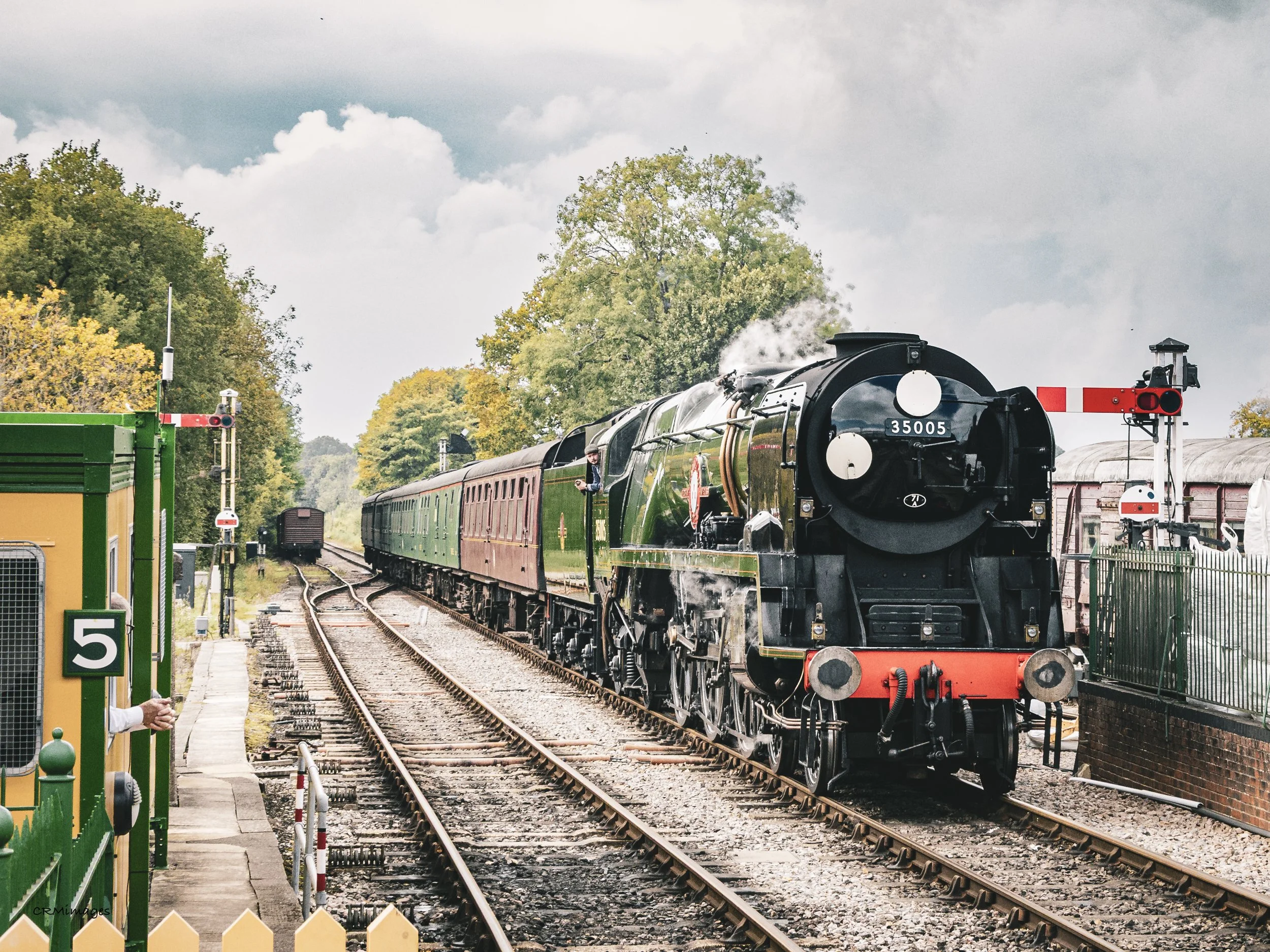
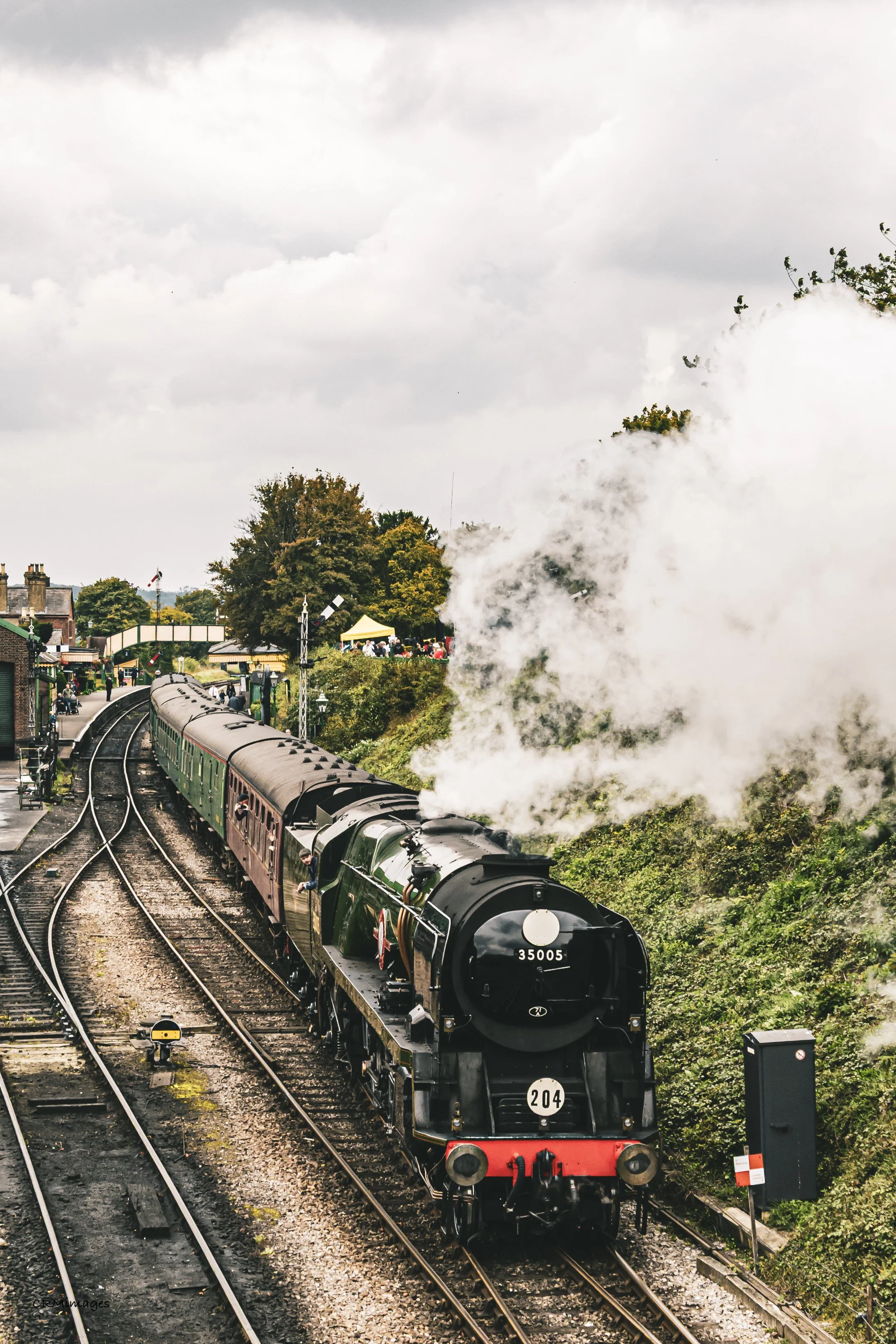
35005 -SR Merchant Navy Class ‘Canadian Pacific
Built at: Eastleigh Works
Build Year: December 1941, Rebuilt May 1959
Classification: 8 Passenger
Designer: O.V.S Bulleid
Entered Service: 1941
Mileage: 976,806
Owner: The Watercress Line Heritage Railway Trust
Region: Southern
Total Built of Class: 30
Withdrawn: October 1965
Preservation and Rebirth
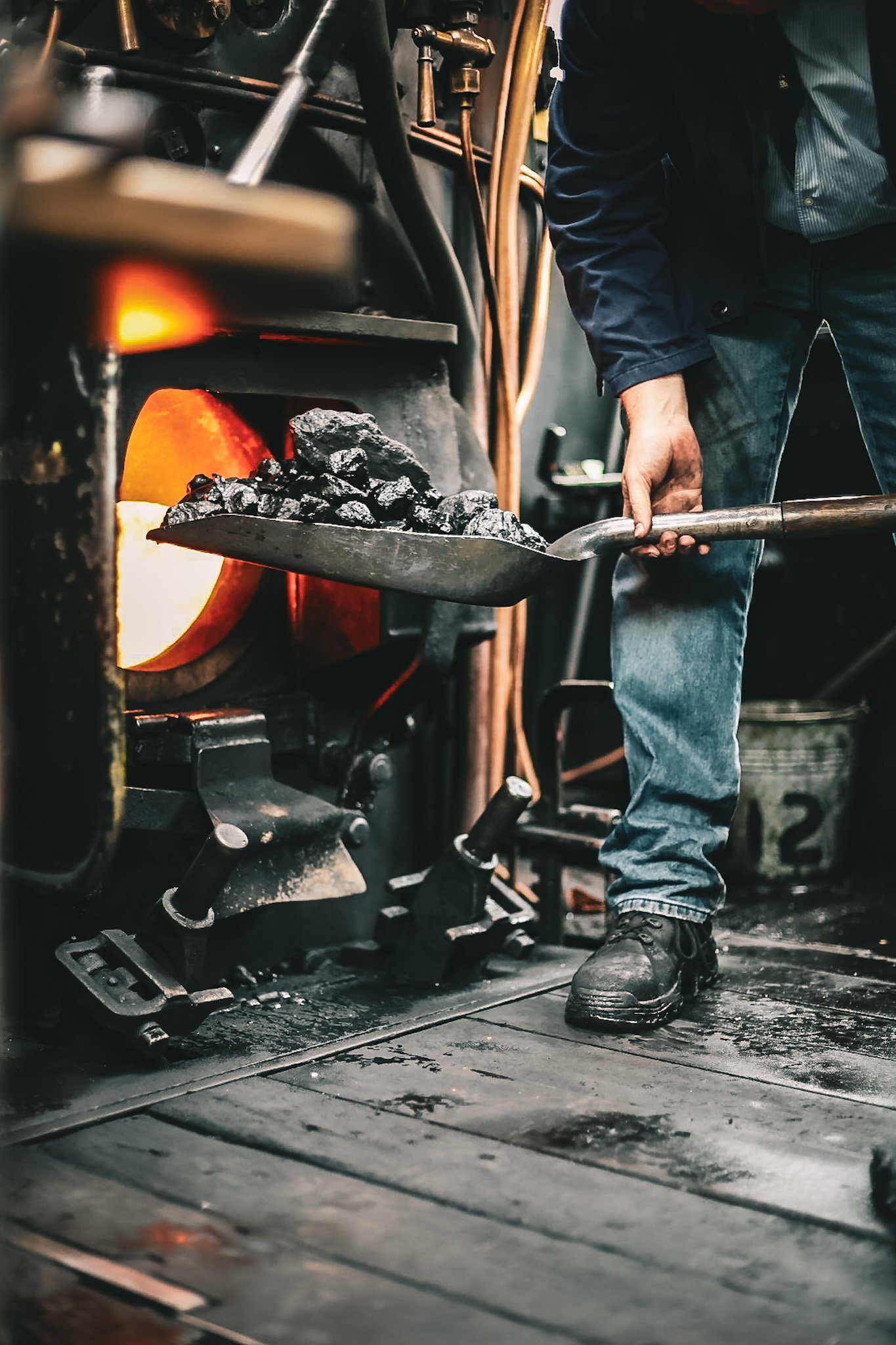
Local enthusiasts and volunteers formed preservation groups to save the line and its infrastructure. Efforts succeeded in reopening sections for heritage services.
The preserved line reopened in stages through the late 1970s and 1980s, progressively restoring track, stations, signal boxes and period-appropriate rolling stock.
Steam and heritage diesel services were reintroduced, attracting tourists, rail enthusiasts and local visitors, and the line became known for its authentic period atmosphere.
Today
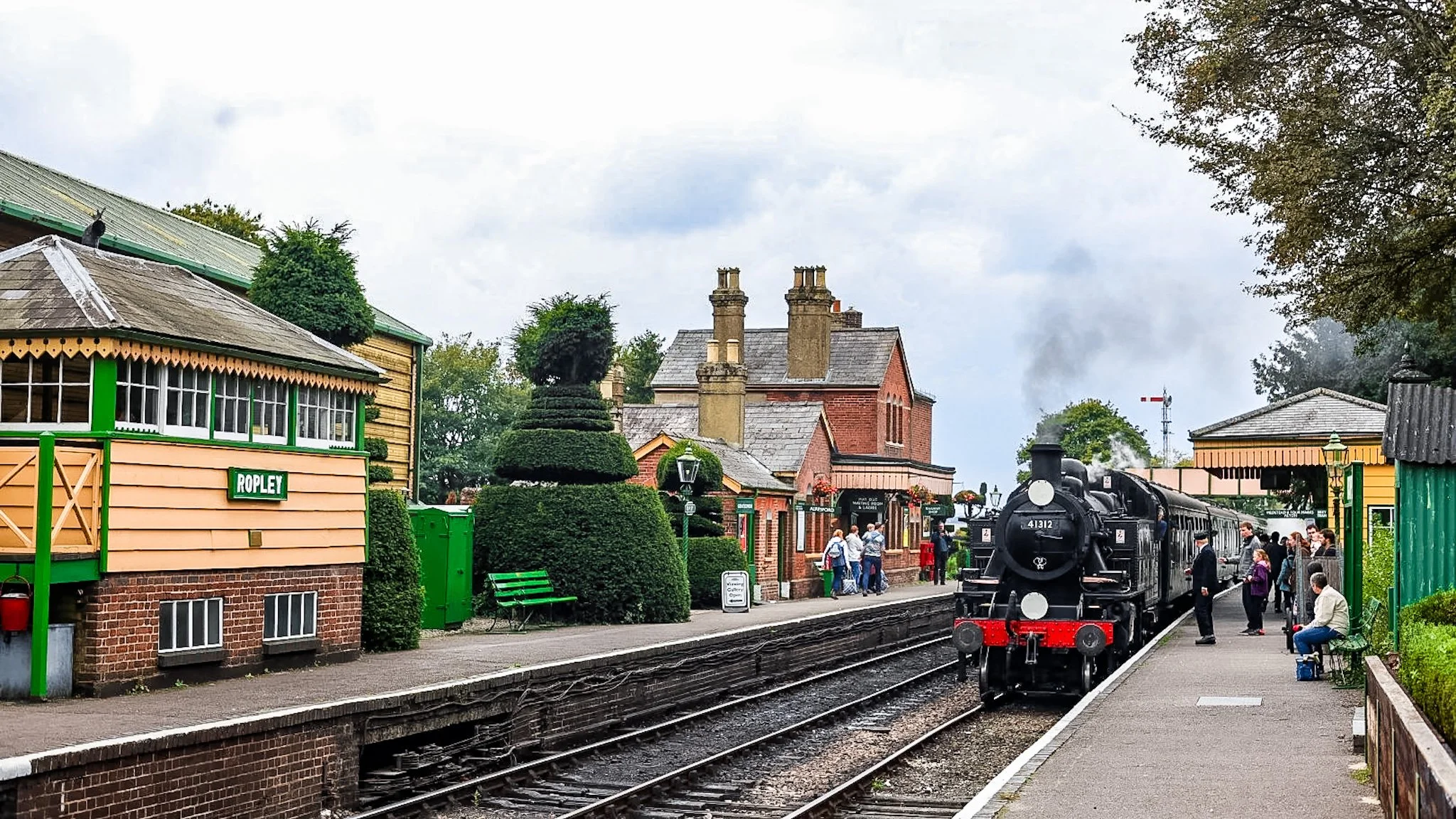
The Watercress Line operates as a volunteer-led heritage railway, offering steam and heritage diesel services, special events, dining trains and educational activities.
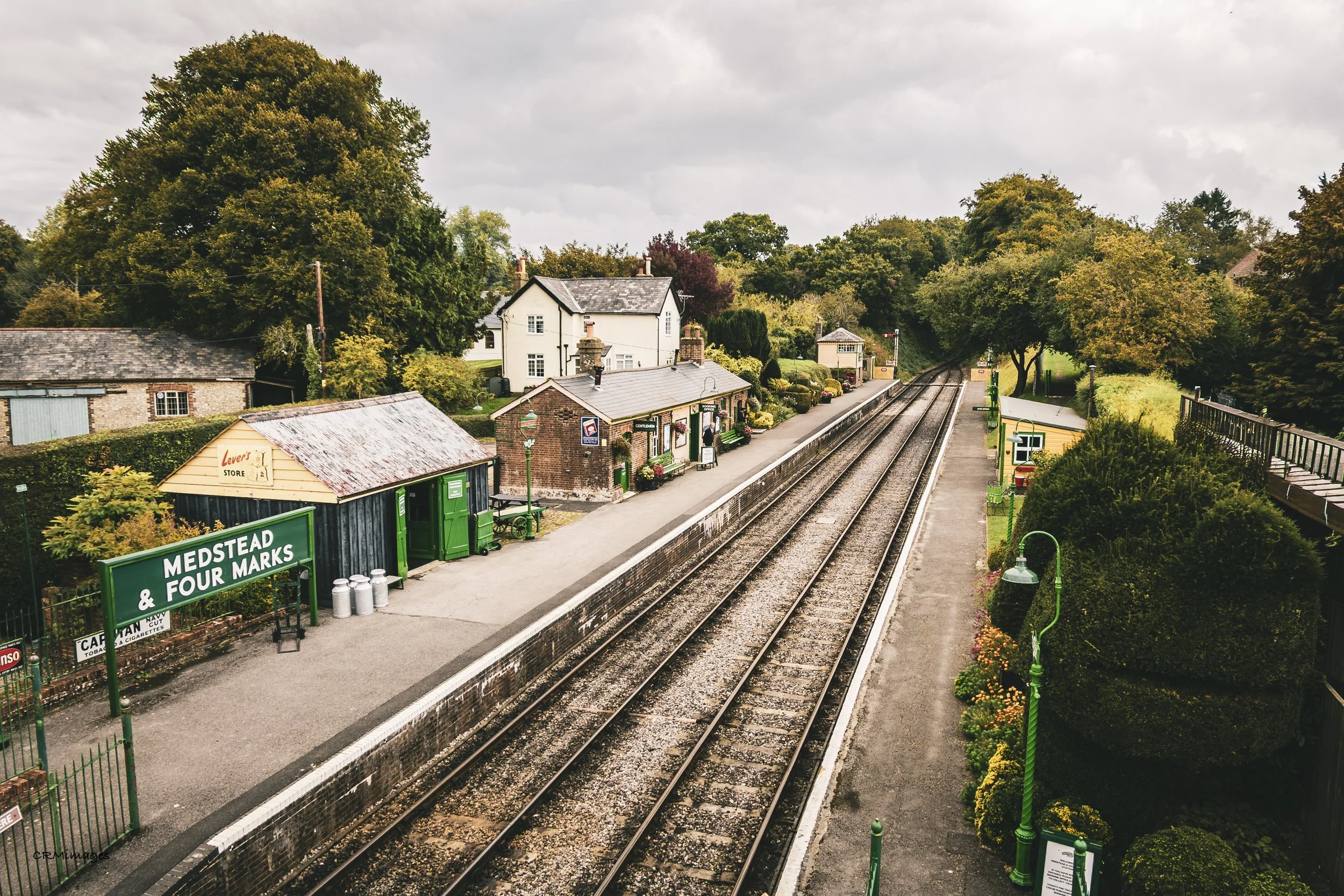
It maintains restored stations, workshops and signalling, and hosts a collection of historic locomotives and carriages.
The railway contributes to local tourism, preserves regional rail heritage and continues the watercress legacy in its name, linking the present to the agricultural and social history of the area.
The Watercress Line stands as a notable example of successful grassroots railway preservation, transforming a threatened rural branch into a thriving heritage attraction while keeping alive the memory of the region’s rail and agricultural past. to deliver thoughtful, effective, and engaging solutions.
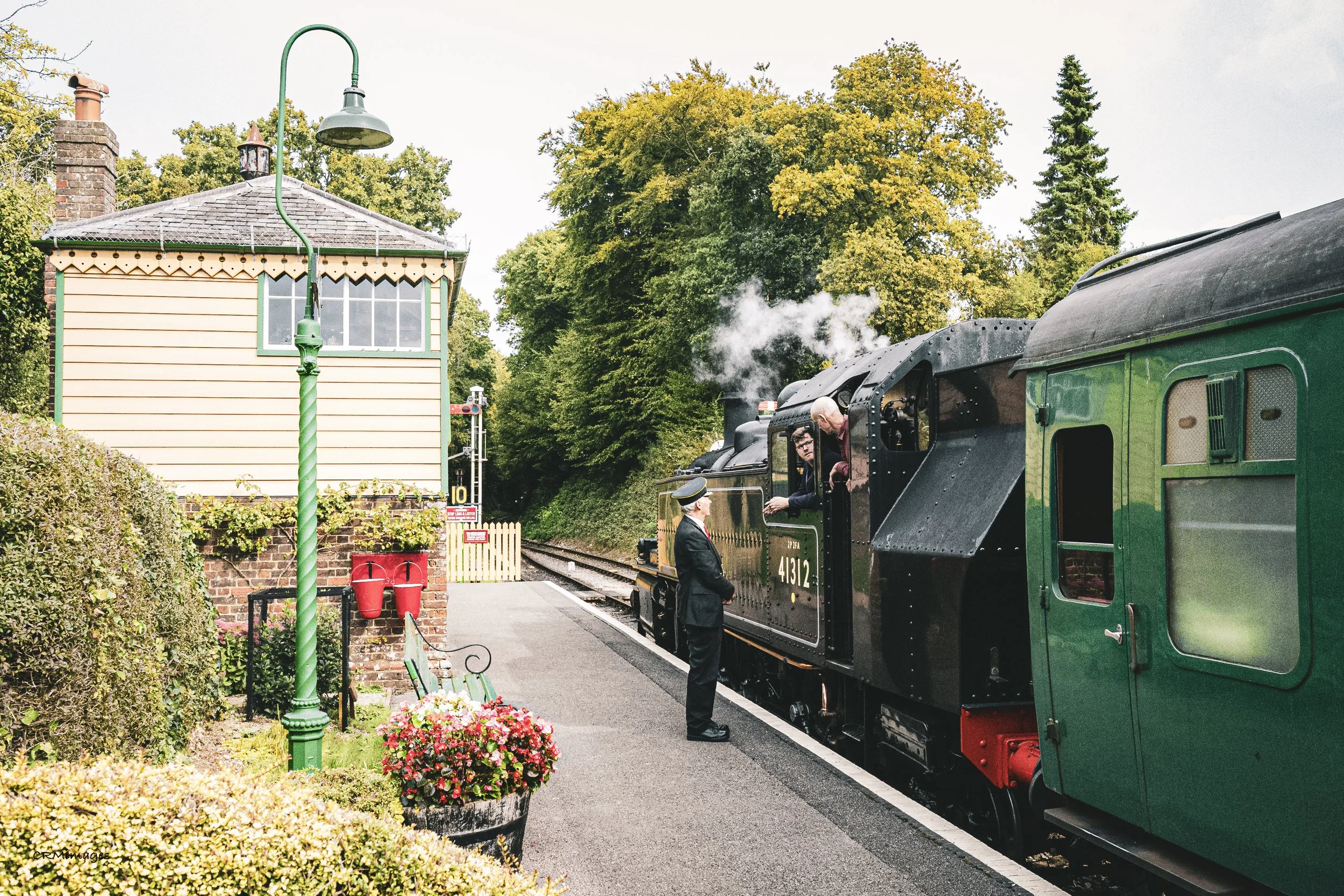
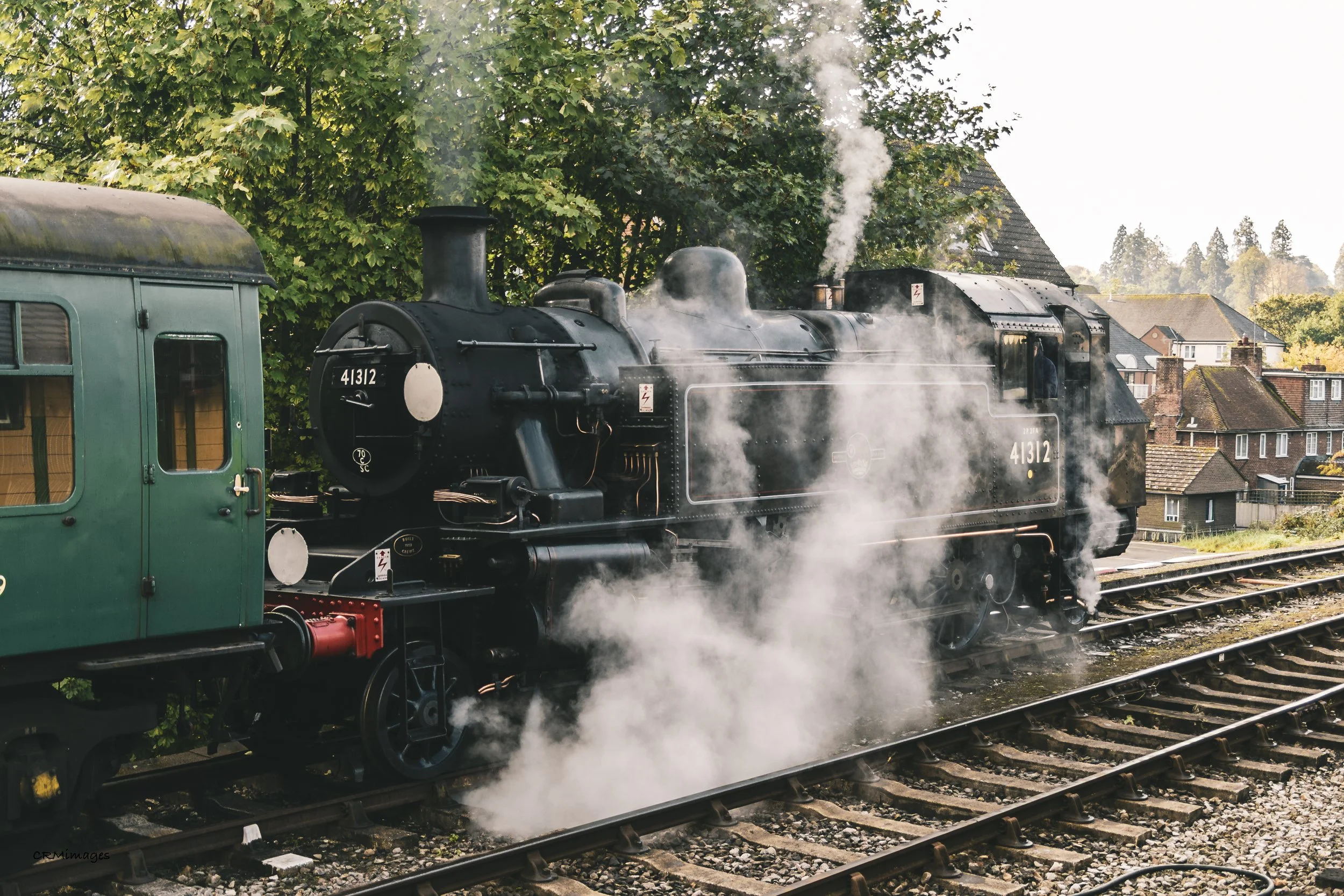
41312 - LMS Ivan Class 2MT
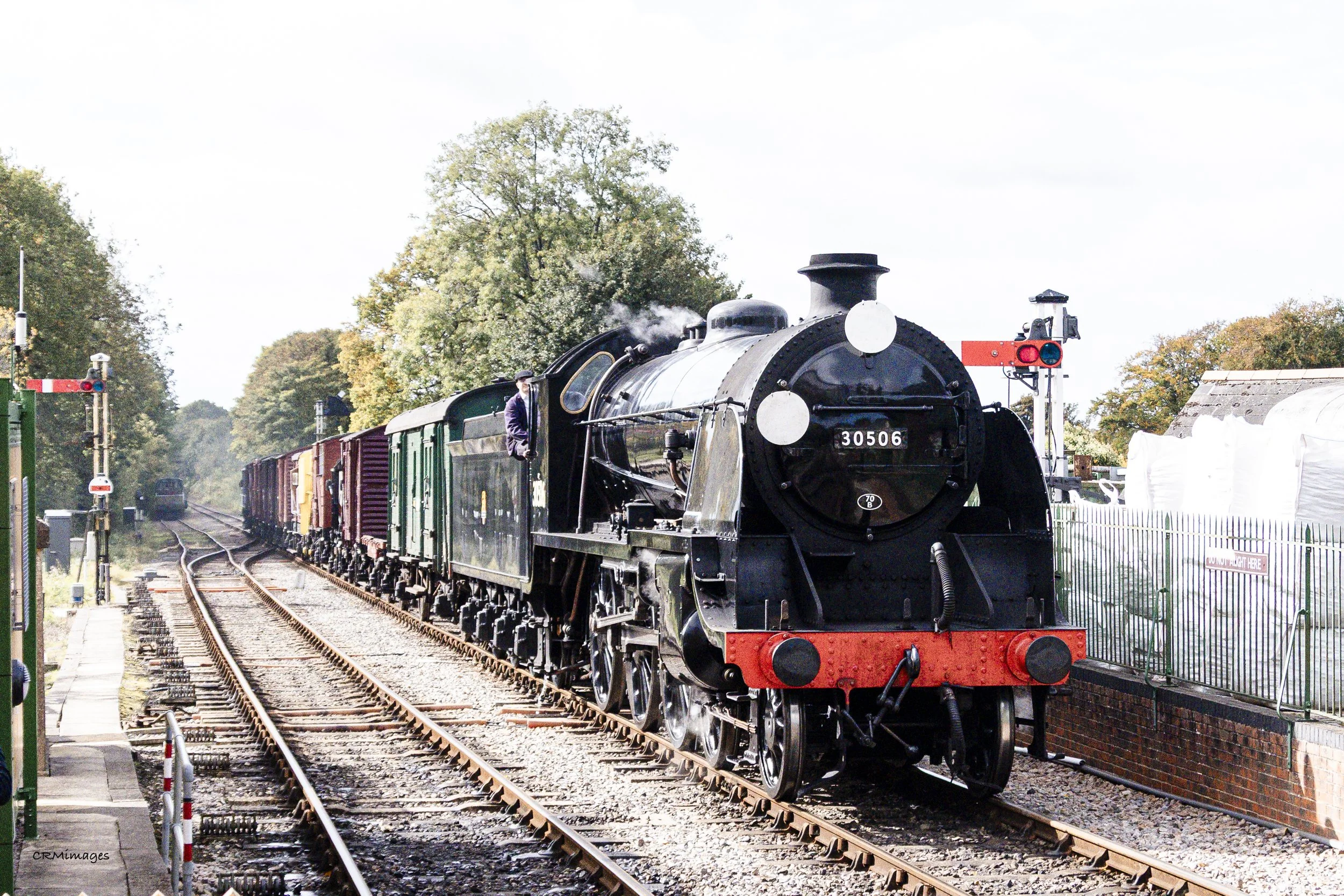
30506 - LSWR Urie S15 Class