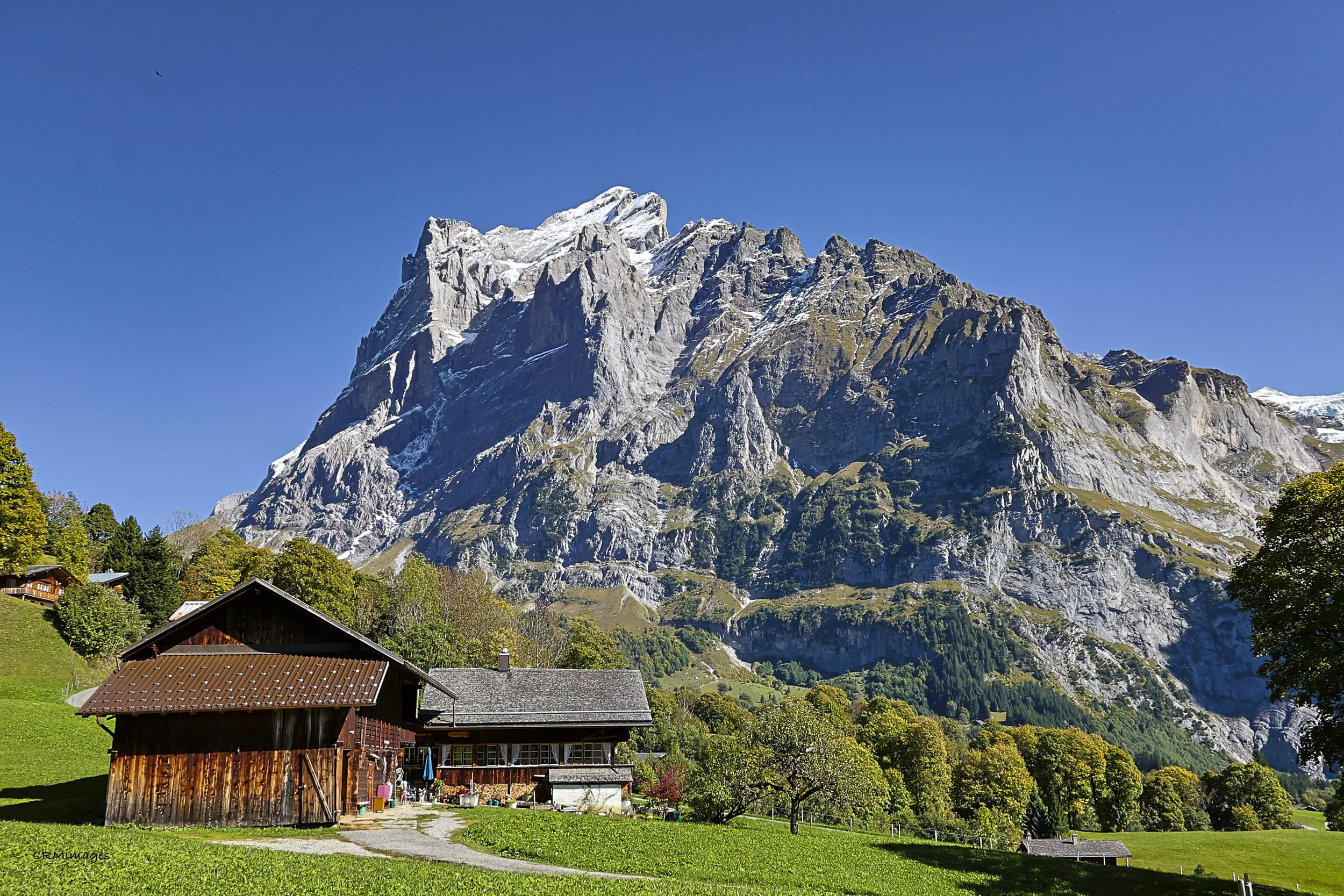
Eiger Mountain
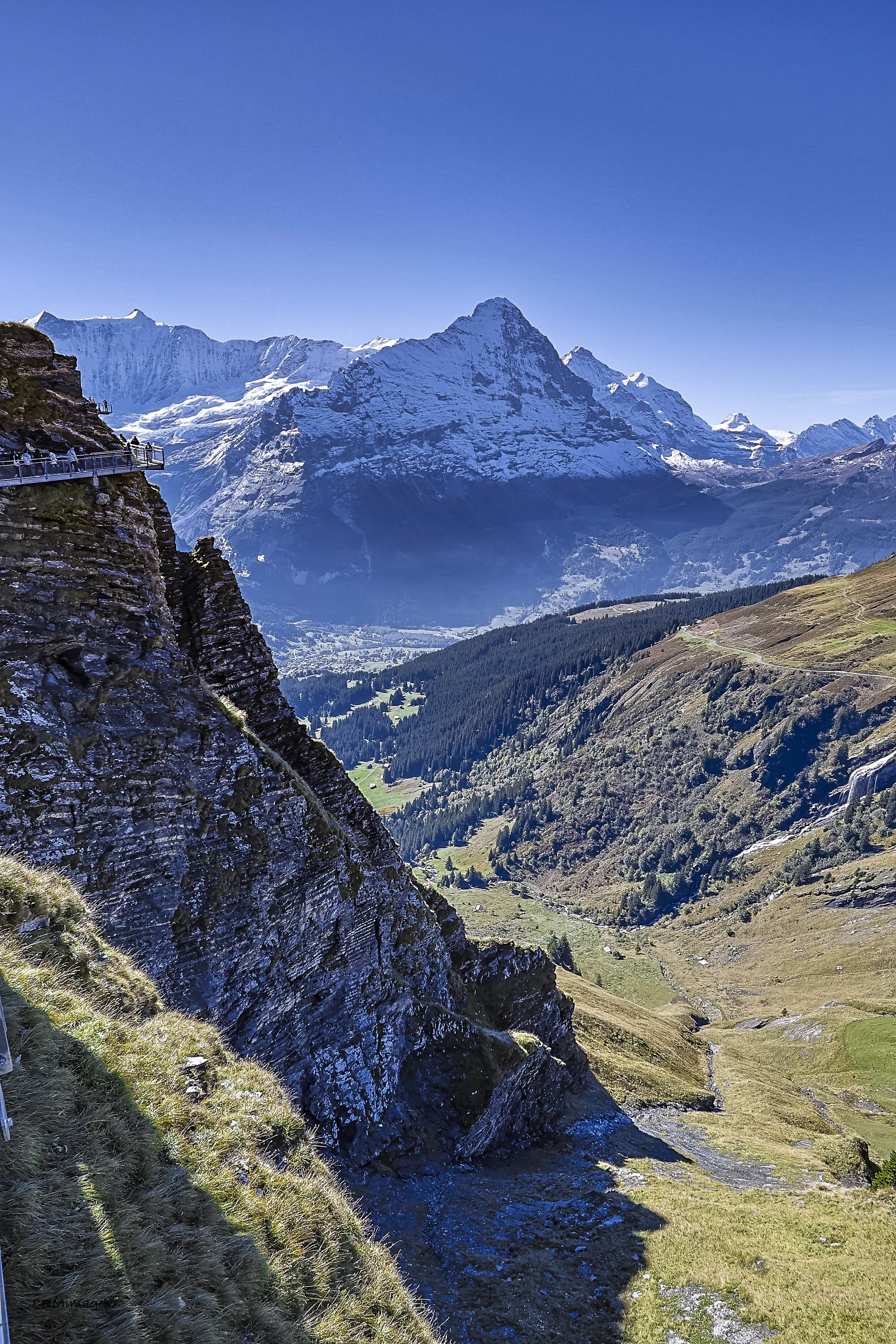
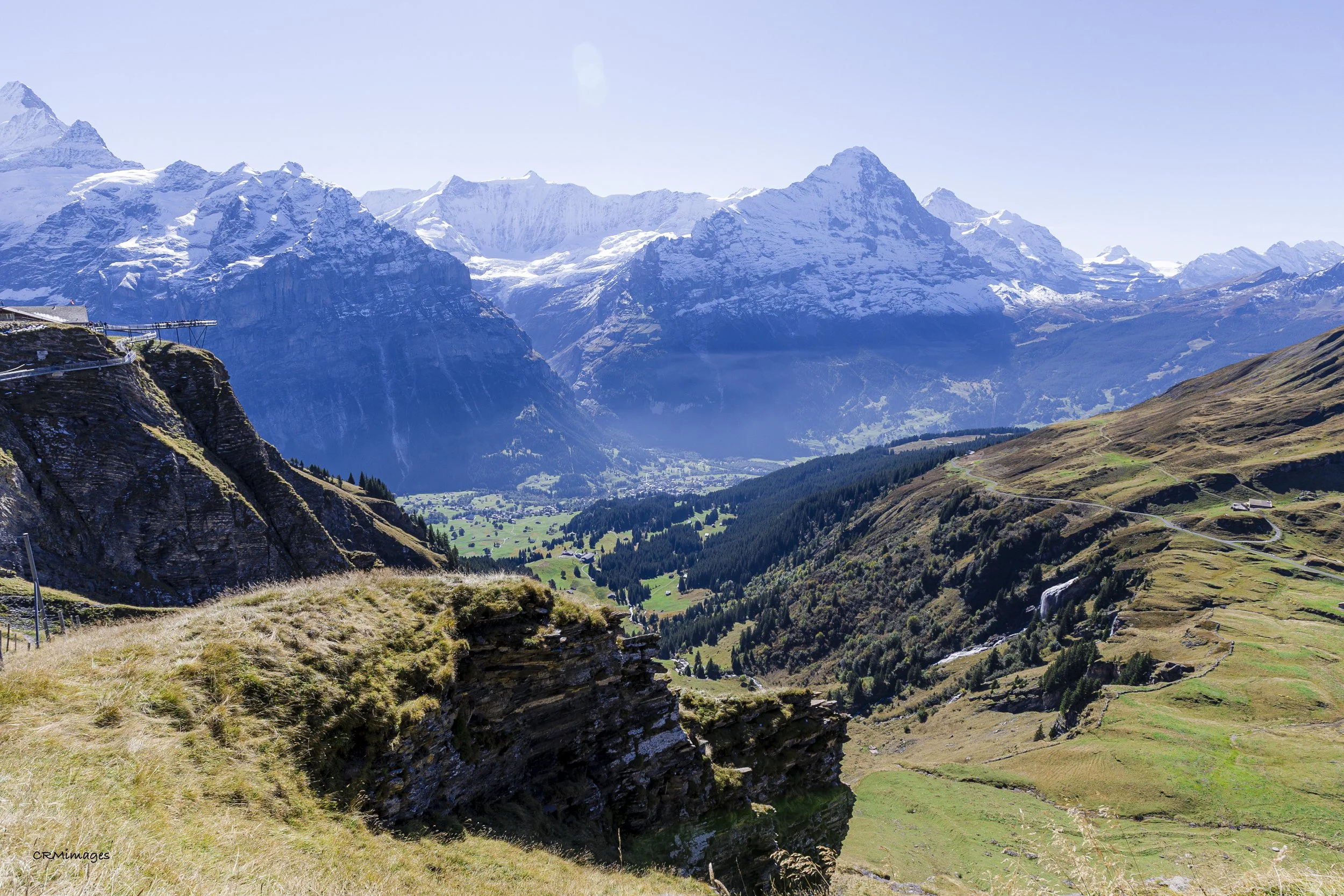
Eiger — one of the most iconic peaks in the Bernese Alps — rises to 3,967 metres and dominates the landscape above the Swiss villages of Grindelwald and Lauterbrunnen. Its north face, the Nordwand, is legendary among climbers for its sheer scale, technical difficulty and the often treacherous weather that can sweep across it. First ascended in 1858 via easier routes, the mountain’s north face resisted climbers until 1938, when a team finally completed the ascent after a series of dramatic attempts that entered mountaineering lore.
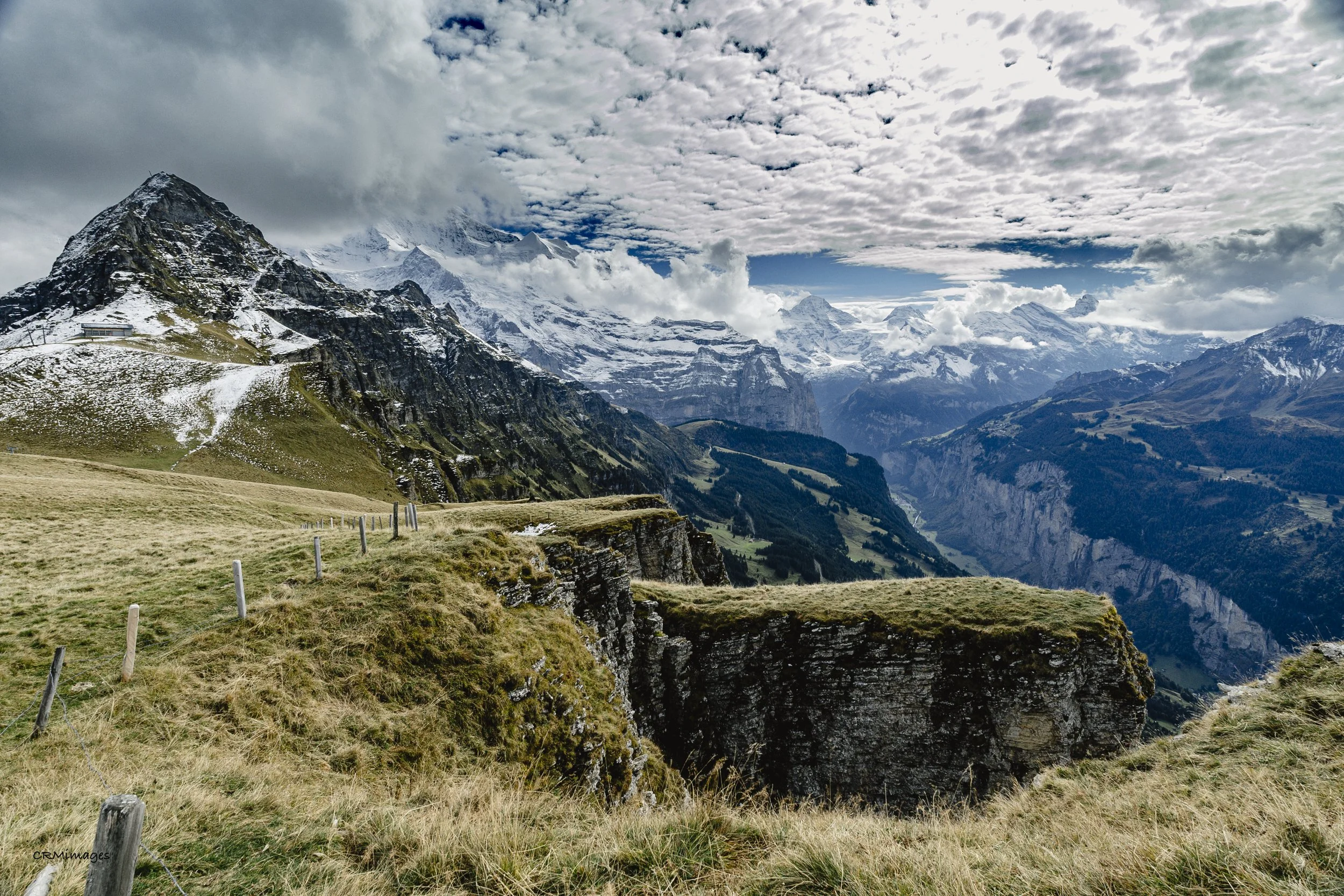
Wengen
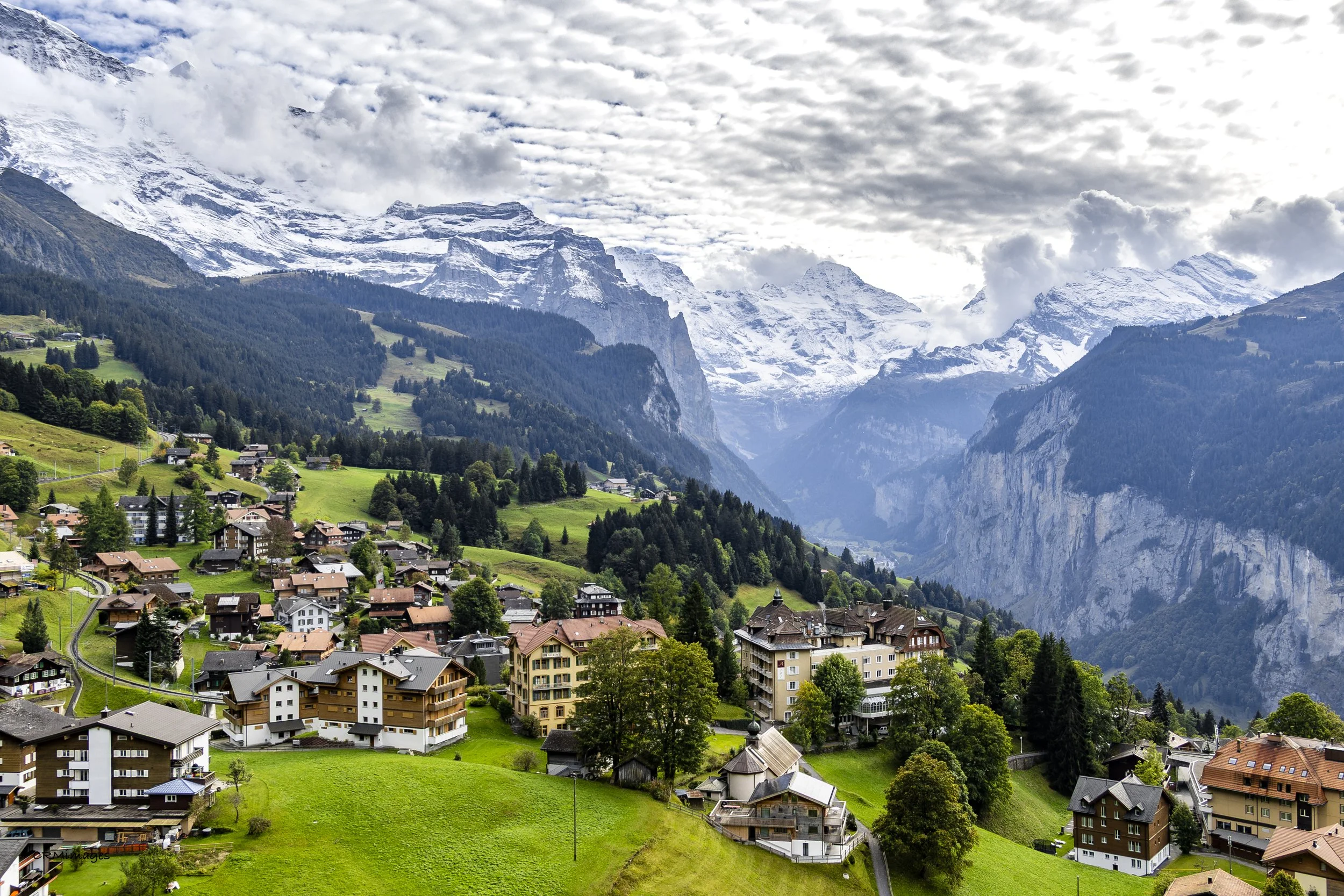
Perched on a sunny terrace high above the Lauterbrunnen Valley, Wengen is a quintessential Swiss alpine village that blends traditional charm with dramatic mountain scenery. Car-free and accessible only by cogwheel train, it offers a peaceful, pedestrian-friendly atmosphere where wooden chalets, geranium-filled window boxes and panoramic vistas set the tone.
Lauterbrunnen
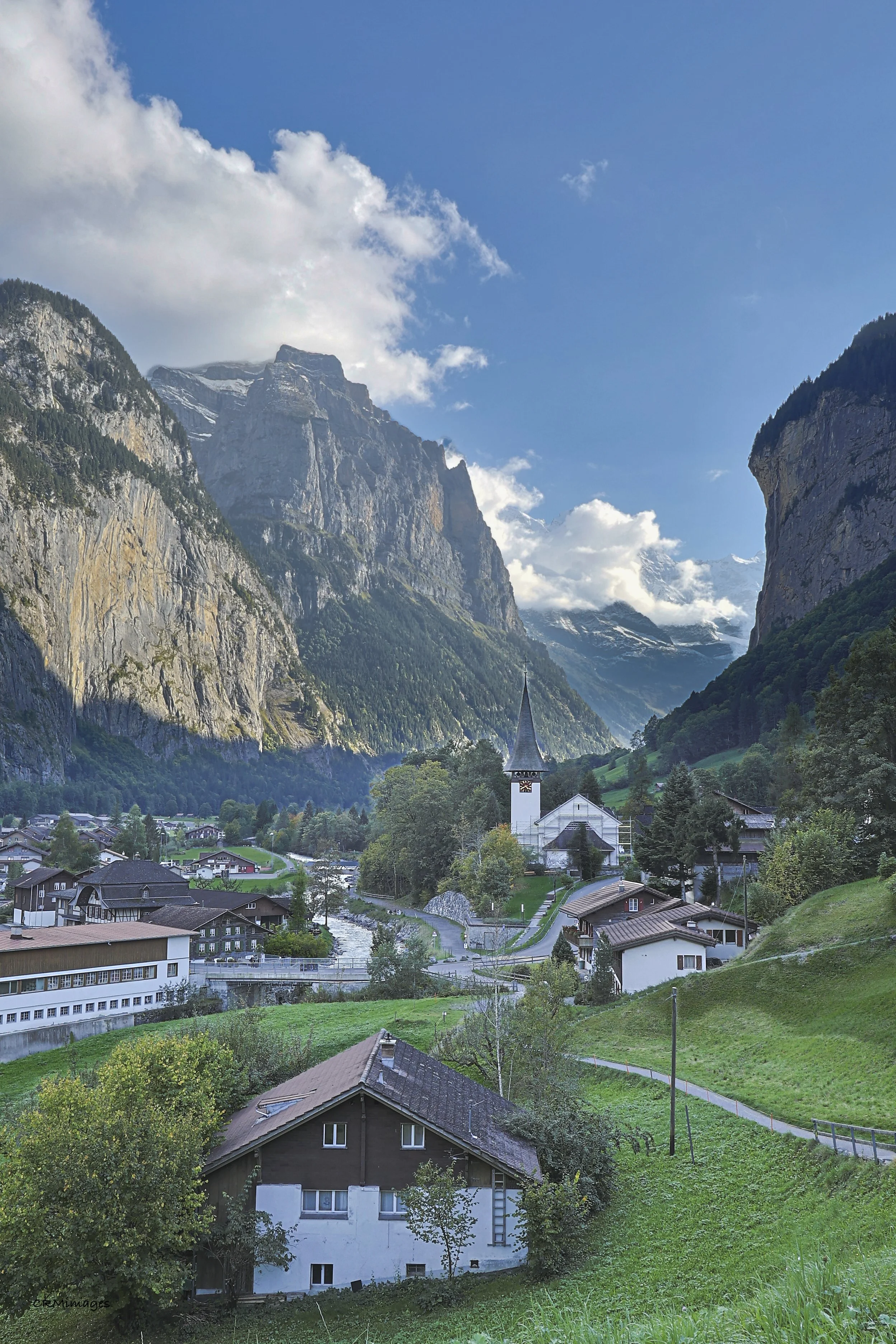
Nestled in a steep-sided valley in the Bernese Oberland, Lauterbrunnen is a Swiss alpine village defined by dramatic cliffs, thundering waterfalls and a calm, picture-postcard charm. The valley floor is a verdant ribbon of meadows and chalets, framed by towering rock faces that rise almost vertically to glaciers and snow-capped peaks above.
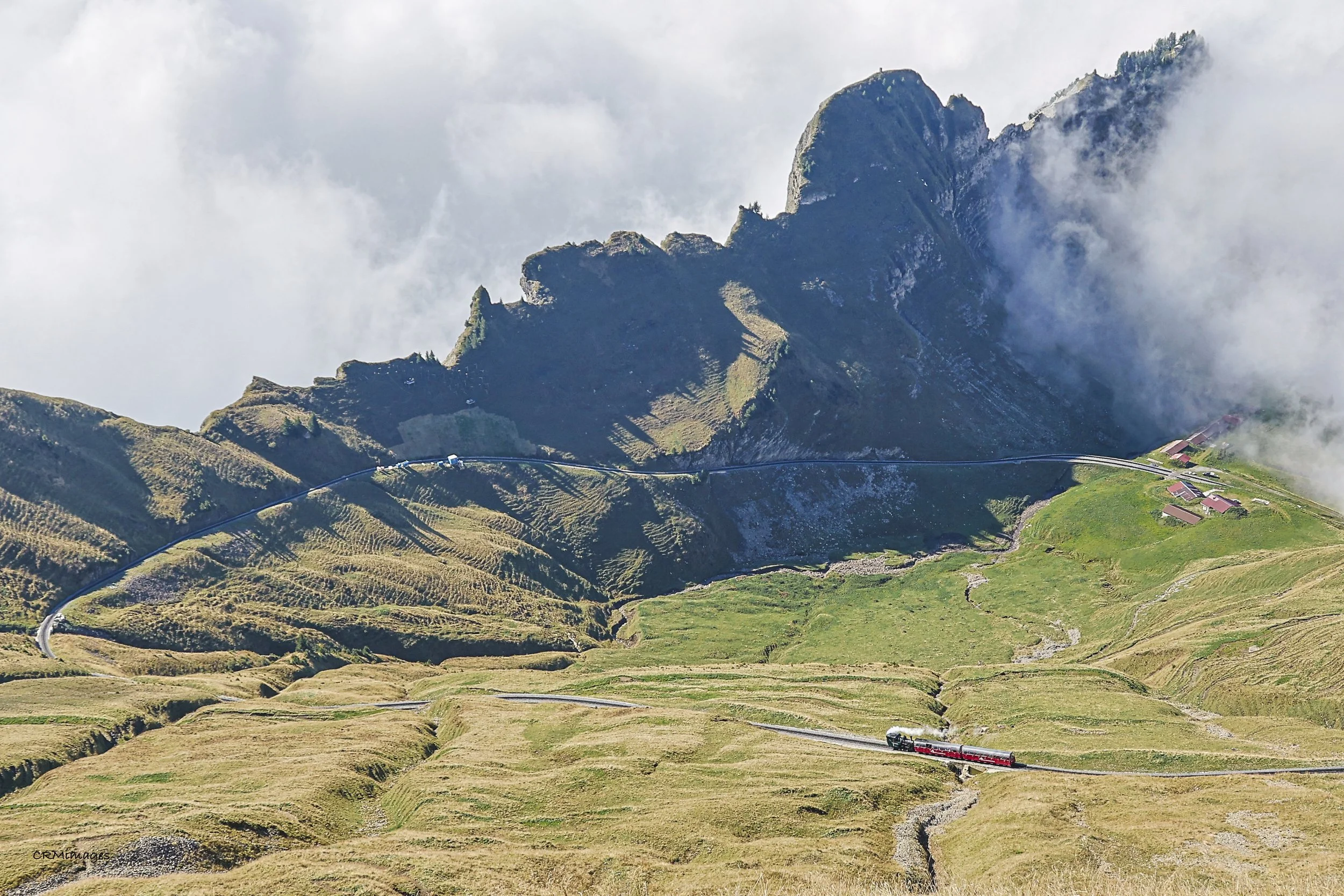
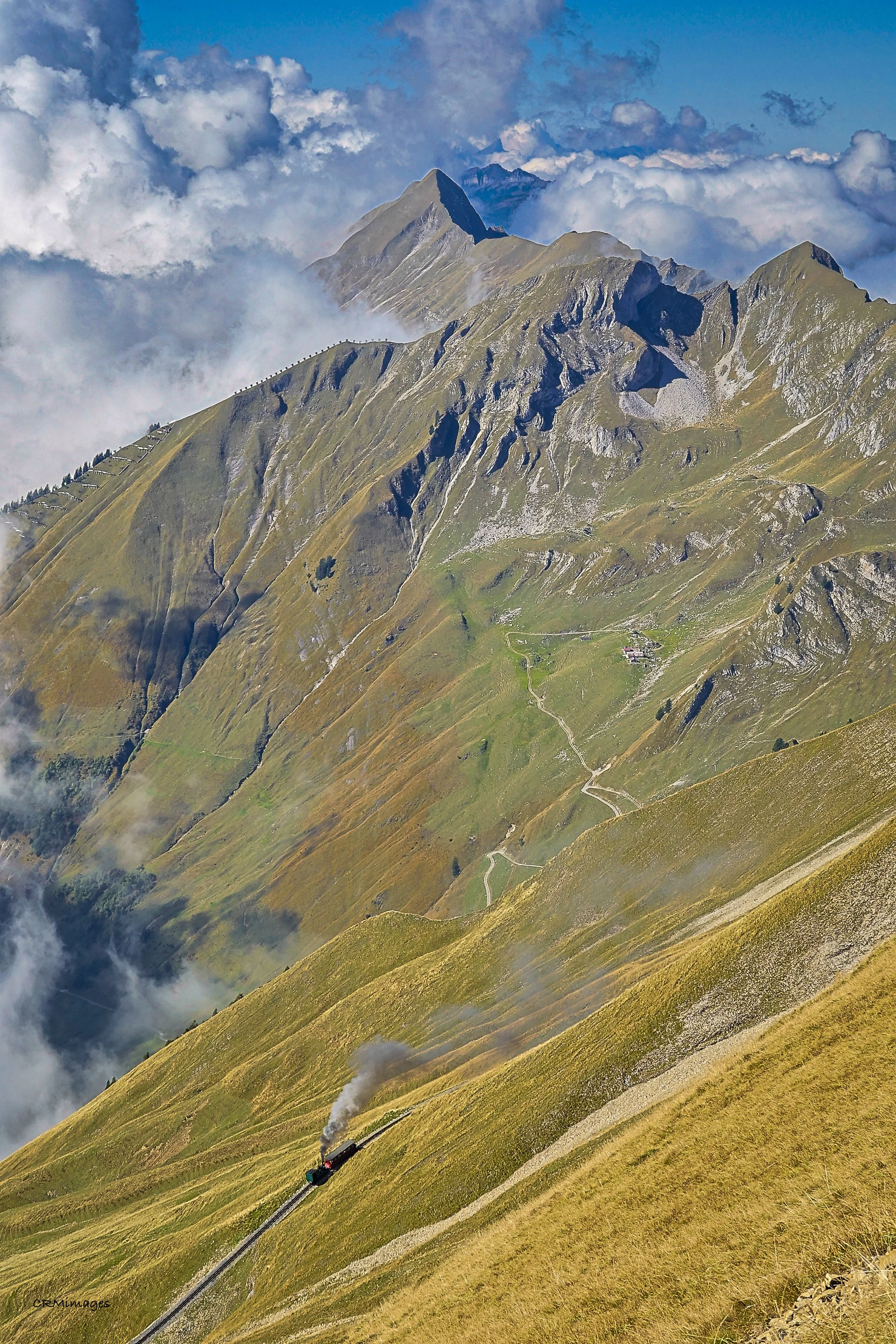
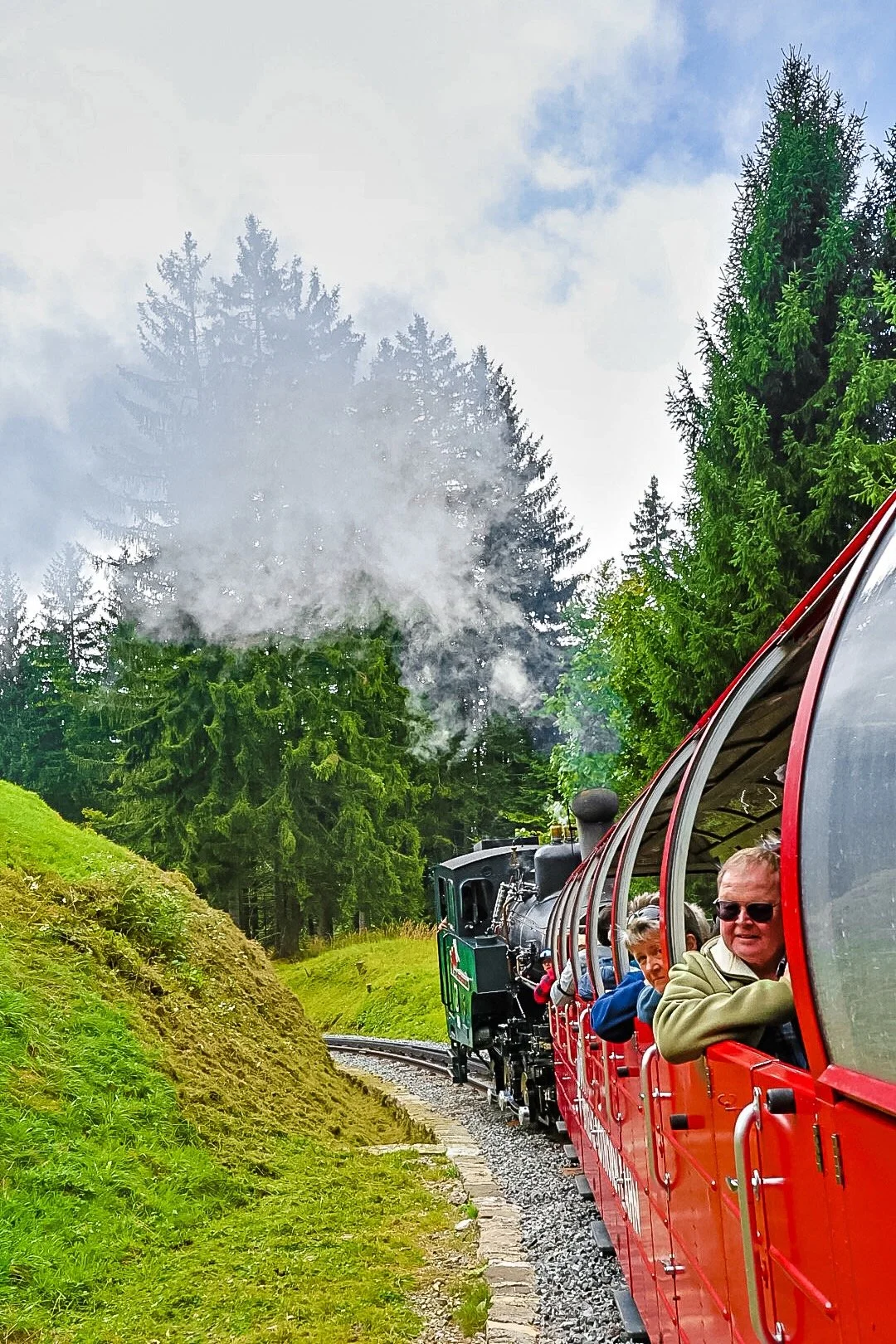
Brienz Rothorn Railway
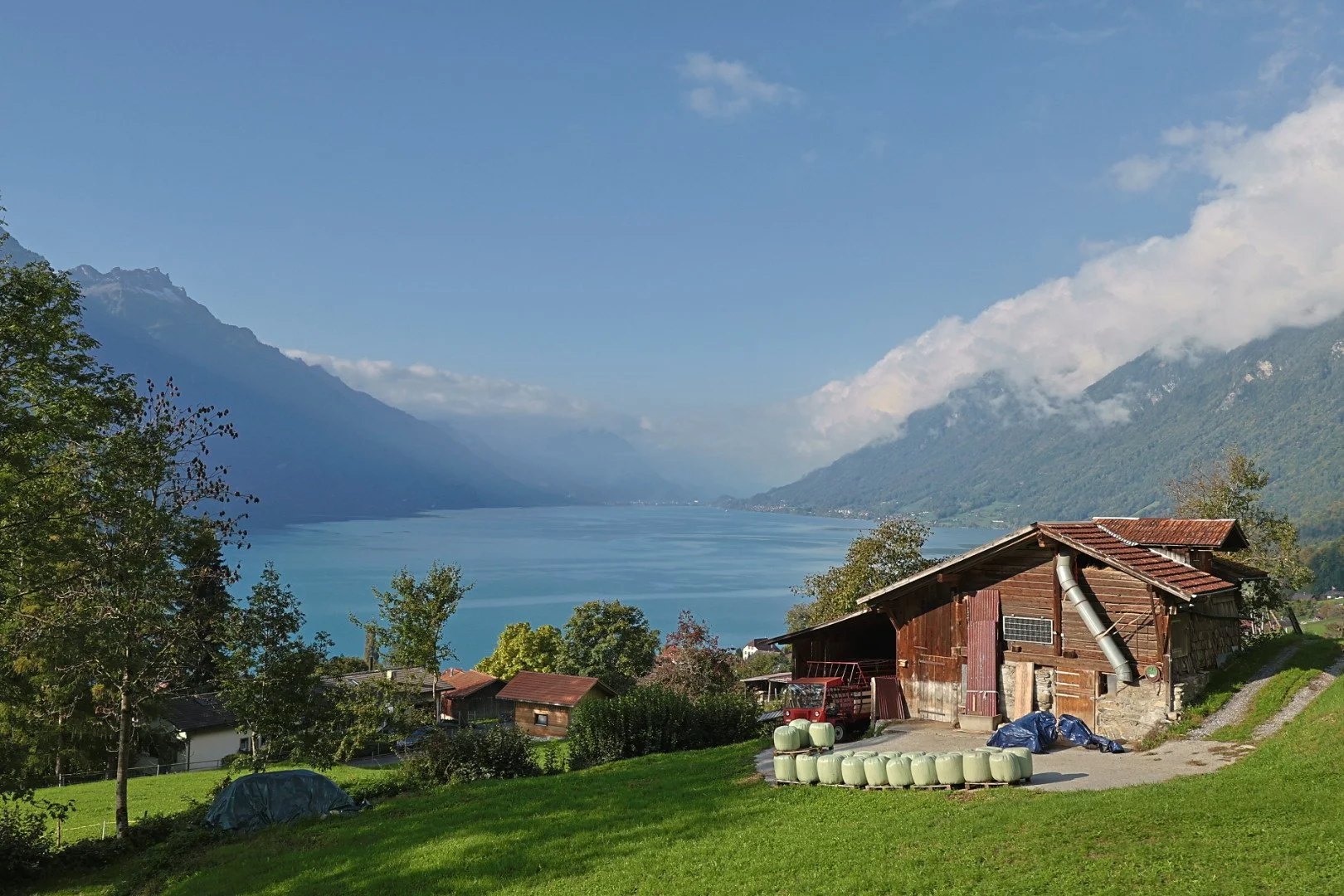
The Brienz Rothorn Railway (Brienzer Rothorn Bahn) is a historic rack railway in the Bernese Oberland, Switzerland, linking the lakeside village of Brienz (566 m) to the summit of Brienzer Rothorn (2,350 m). Opened in 1892, this line is one of the last surviving steam-operated rack railways in Switzerland and offers scenic rides through alpine forest and alpine meadow to panoramic summit views over Interlaken, Lake Brienz and the surrounding Bernese Alps.